
Short answer: pick by climate first, then by shade and traffic. In the Deep South and along the Gulf, St. Augustine is the shade grass (it needs 4 to 6 hours of sun) and bermuda is the full-sun, hard-wear grass. In the transition zone, zoysia is the most cold-hardy warm-season choice and tall fescue the cool-season choice: fescue wins in shade, zoysia in heat and drought. North of that, plant tall fescue or a bluegrass-fescue-ryegrass mix. In the dry Plains and Mountain West, buffalo grass lives on 1 to 2 inches (2.5 to 5 cm) of water every two to four weeks. Two facts settle most arguments: St. Augustine seed does not exist, so it is sod or plugs only, and bermuda is rated very poor for shade by every extension service that ranks it.
The comparison table
The ratings below are pulled from extension publications in the Carolinas, Arkansas, Florida, Texas, Colorado and Missouri. Where two sources disagree by a grade, both are shown. Heights are in inches with centimetres in brackets; nitrogen is pounds of N per 1,000 sq ft per year (1 lb/1,000 sq ft is about 5 g/m²).
| Trait | St. Augustine | Bermuda | Zoysia | Tall fescue | Buffalo grass |
|---|---|---|---|---|---|
| Type and climate | Warm-season. Deep South, Gulf Coast, Florida, coastal Carolinas. Not hardy north of roughly the Little Rock line | Warm-season. South and whole transition zone; cold-hardy cultivars reach the upper transition zone | Warm-season. South and transition zone; the most cold-hardy of the southern grasses | Cool-season. North and transition zone; not suited to the coastal South | Warm-season. Great Plains, semi-arid West; not recommended in high-rainfall regions |
| Sun needed | 4 to 6 hours minimum; the most shade-tolerant warm-season grass | Full sun. Shade tolerance rated very poor (1 of 6) | Full sun best, light shade acceptable (fair, 4 of 6) | At least 4 hours; good shade tolerance (4 of 6) | Full sun; tolerates 6 to 8 hours but not half-day shade |
| Drought tolerance | Fair to good | Excellent | Very good to excellent | Fair; deep roots but goes dormant in hot dry spells | Excellent; needs 1 to 2 in (2.5 to 5 cm) of water every 2 to 4 weeks |
| Wear tolerance | Poor to fair | Excellent, and the fastest to recover | Very good to excellent, but slow to recover | Fair to good; poor recuperative capacity | Poor under constant, concentrated traffic |
| Mowing height | 2.5 to 4 in (6 to 10 cm); dwarf cultivars 2 to 2.5 in | 0.75 to 1.5 in (2 to 4 cm) | 0.75 to 2 in (2 to 5 cm) | 2.5 to 3.5 in (6 to 9 cm) | 2 to 3 in (5 to 8 cm), or 3 to 4 in low-maintenance |
| Growth rate / mowing | Moderate to fast; weekly | Fast; very high frequency, fertilised hybrids every 3 days in peak season | Slow; weekly or less | Moderate; weekly in spring and autumn, slower in summer | Slow; every 2 to 4 weeks, or unmowed |
| Nitrogen per year | 2 (basic) up to 4; south Florida 4 to 6 | 3 to 4.5 | 1 to 2 | 2 (up to 3 to 4 for high input) | 1 to 2 |
| Establishment and cost | Sod, plugs or sprigs only. No seed exists. High cost | Seed (1 to 2 lb/1,000 sq ft), sod, sprigs or plugs. Cheapest to establish from seed; hybrids are sod only | Sod or plugs; only ‘Zenith’ and ‘Compadre’ are sold as seed. Very slow, up to 2 seasons. High cost | Seed at 6 lb/1,000 sq ft (about 30 g/m²). Low cost | Seed (1 to 3 lb burs, up to 5) or plugs on 12 to 18 in centres. Seed dearer than most species |
| Thatch tendency | Medium; dwarf types heavier | High | High, worse with excess nitrogen | Low | Little; the turf is open and low |
| Cold tolerance | Poor (2 of 6); Raleigh and Palmetto best, Floratam worst | Fair to good (2 to 3 of 6); very cultivar dependent | Very good (4 of 6); Meyer and Zenith rated excellent | Very good to excellent (5 of 6) | Good; Legacy and Prestige hardy throughout Colorado |
| Salt tolerance | Good to excellent | Good | Good | Good | Poor; not for saline soils |
| Main pests and diseases | Chinch bugs (treat at 25 per sq ft), large patch, gray leaf spot, take-all root rot | Spring dead spot, thatch, invades beds | Thatch, large patch in wet weather; few insect problems | Brown patch in humid summers; thins in heat and needs autumn overseeding | Weed invasion in years 1 and 2 because the stand is thin |
| Texture and colour | Coarse, blue-green to dark green | Fine to medium, medium to dark green | Fine to medium, pale to medium green | Medium to coarse, dark green | Fine, grey-green; straw-coloured from first frost to late spring |
The regional ratings come from Clemson Cooperative Extension and the NC State Extension Carolina Lawns guide, which scores each grass out of 6. The transition-zone limits and cultivar hardiness rankings come from the University of Arkansas Extension, the Florida salt and wear ratings from UF/IFAS Extension, and the buffalo grass figures from Colorado State University Extension and University of Missouri Extension.
St. Augustine grass (Stenotaphrum secundatum)
St. Augustine is the broad-bladed, coarse grass of Florida, the Gulf Coast and coastal Texas, and the only warm-season grass that holds a lawn under live oaks. Texas A&M AgriLife Extension puts the survival minimum at 4 to 6 hours of light a day (Floratam needs 6, Palmetto about 5). It grows best at 80 to 95°F (27 to 35°C), browns after frost and is rated poor for cold hardiness. Its weak points are traffic and one insect, the southern chinch bug, which Texas A&M says to treat at 25 bugs per square foot. It is established only from sod, plugs or sprigs; UF/IFAS states plainly that no seed is available, and recommends 2 to 4 lb N per 1,000 sq ft a year in north Florida, 4 to 6 lb in the south, mowed at 3.5 to 4 inches.
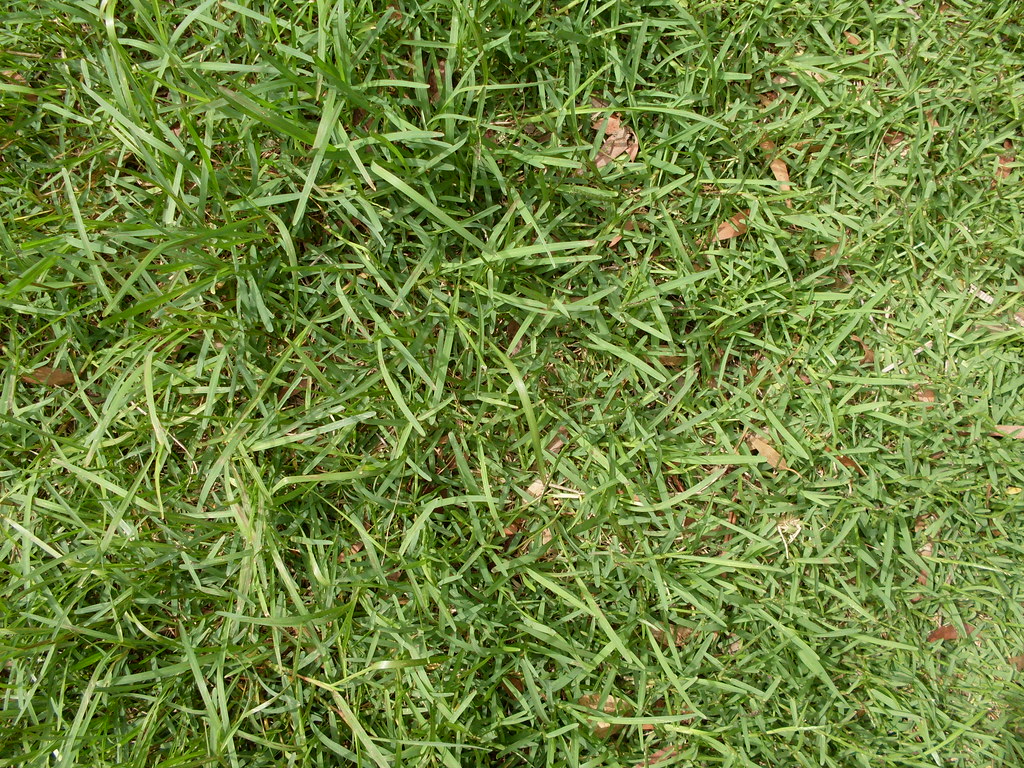
Choose this if: you have Gulf-Coast heat and humidity, part of the lawn is shaded, and nobody plays football on it. Skip it if winters regularly drop well below freezing or you cannot budget for sod.
Bermuda grass (Cynodon dactylon)
Bermuda is the athletic-field grass: excellent drought tolerance, excellent wear tolerance, and the fastest recovery of any lawn grass because it spreads by both stolons and rhizomes. The price is maintenance. Clemson rates its mowing frequency very high at a 0.75 to 1.5 inch cut, NC State gives it the biggest nitrogen appetite in the table at 3 to 4.5 lb per year, and Arkansas notes that fertilised hybrids may need mowing every three days in midsummer. It builds heavy thatch and runs into beds and paths. Its other limit is shade: NC State scores it 1 out of 6 and says it should not be used in shady areas. Cold hardiness varies more by cultivar than for any other grass here; Arkansas lists ‘Riviera’ and ‘Yukon’ as very good and ‘Arizona common’ and ‘Sahara’ as poor. Common bermuda seeds cheaply at 1 to 2 lb per 1,000 sq ft; the fine hybrids are sod or sprigs only. Our guide to stress-tolerant bermuda grass shows what a healthy stand looks like under heat and drought.
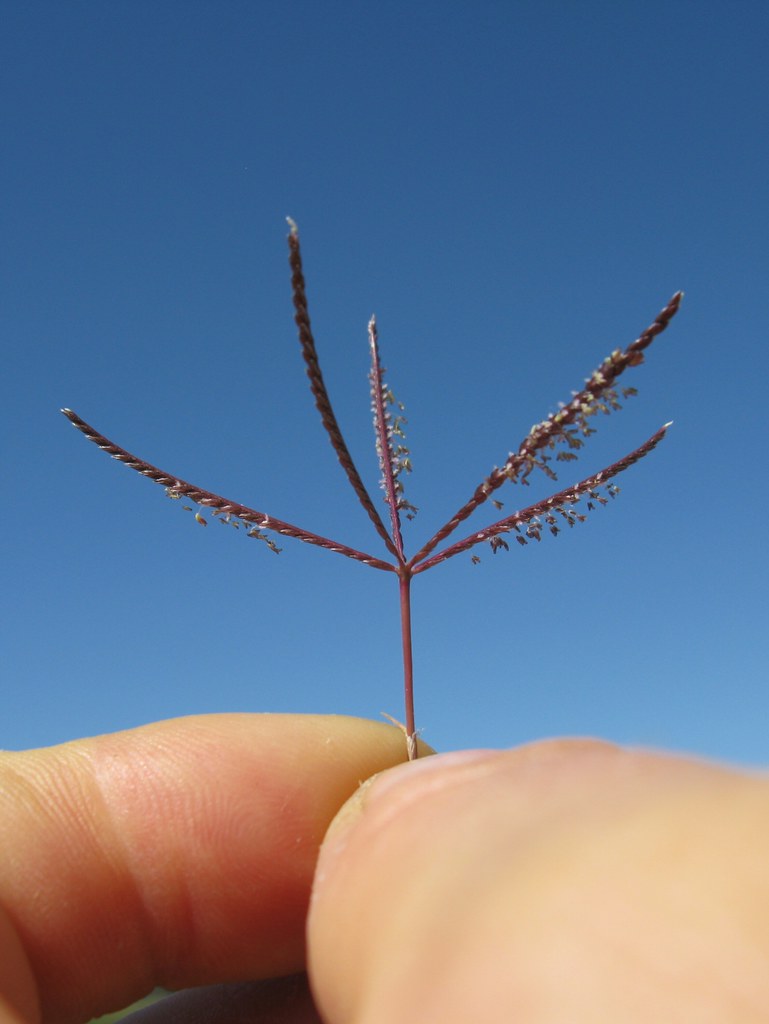
Choose this if: the lawn is in full sun all day, gets heavy use from children or dogs, and you are happy to mow twice a week in summer. Skip it if any part of the yard is shaded or if you want a low-input lawn.
Zoysia grass (Zoysia japonica and Z. matrella)
Zoysia is the compromise grass of the transition zone: heat tolerance to match bermuda, drought tolerance rated very good to excellent, wear tolerance very good, and cold hardiness rated very good by Clemson, with ‘Meyer’, ‘Zenith’ and ‘Compadre’ rated excellent by Arkansas. It is dense enough to crowd out most weeds and needs only 1 to 2 lb N per year, so once it is in, it is a low-maintenance lawn.
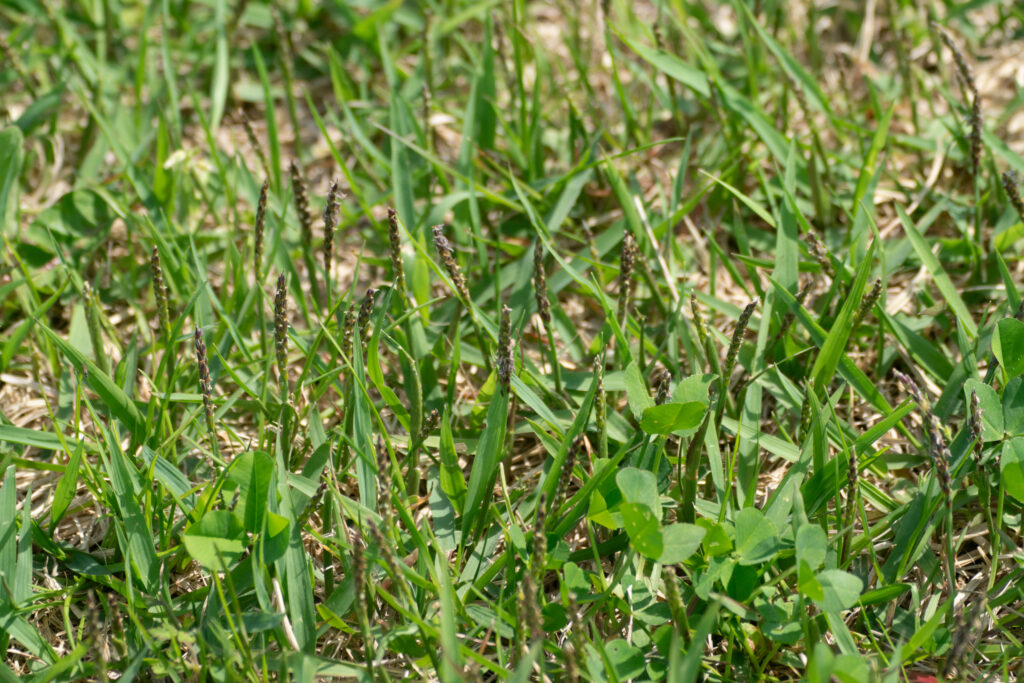
Getting it in is the problem. Clemson calls its establishment rate very slow, and plugged lawns typically need two growing seasons to close over. Only two cultivars are sold as seed, so most zoysia goes down as sod, the most expensive way to start a lawn. It recovers slowly from damage, builds thatch if over-fertilised, and its shade tolerance is only fair, though Arkansas rates ‘Palisades’, ‘Cavalier’ and ‘Diamond’ excellent in shade and ‘Meyer’ fair.
Choose this if: you are in the transition zone (roughly Kansas City to Raleigh and south), want a dense low-fertiliser lawn, and can afford sod or wait two seasons for plugs. Skip it if you need quick cover or deep shade.
Tall fescue (Festuca arundinacea, now Schedonorus arundinaceus)
Tall fescue is the default lawn from the upper transition zone north. It stays green through winter, tolerates 4 hours of sun, seeds cheaply at 6 lb per 1,000 sq ft, and NC State gives it the highest cold score among grasses that will also survive a southern summer. Deep roots give it a respectable drought score, but it is a bunch grass: it does not spread, so worn or diseased patches stay bare until reseeded, and Arkansas rates its recuperative capacity poor. Expect brown patch in humid summers and plan on autumn overseeding in the South. Its limit is heat: Clemson does not recommend it for the Sandhills or coast of South Carolina, and Arkansas says its summers are simply too hot for cool-season grasses to perform well.
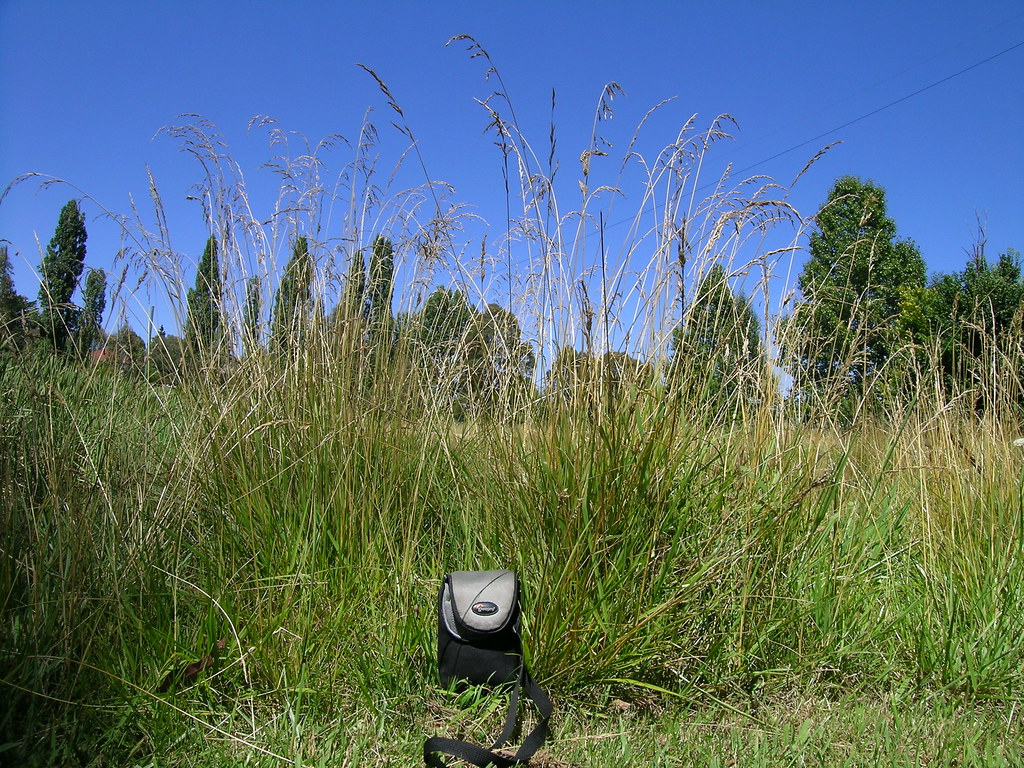
Choose this if: you are north of the transition zone or in its cooler half, want a green lawn in winter, have moderate shade, or want the cheapest seeded lawn. Skip it if you are on the Gulf Coast or if the lawn takes constant traffic.
Buffalo grass (Bouteloua dactyloides)
Buffalo grass is a native short-grass prairie species and behaves like one. Colorado State says an established lawn needs only 1 to 2 inches of rain or irrigation every two to four weeks, uses 50 to 75 percent less water than Kentucky bluegrass, and wants about 2 lb N per season (Missouri says 1 to 2). It is seeded at 1 to 5 lb of burs per 1,000 sq ft or plugged on 12 to 18 inch centres and closes in 8 to 12 weeks if kept weeded; the timing is covered in how to grow buffalo grass from seed. The trade-offs are real: it is straw-coloured from first frost until mid or late spring, Missouri warns that stands “tend to be weedy,” it dislikes concentrated traffic, saline soils and very sandy ground, and Arkansas does not recommend it at all because weeds overrun it in high-rainfall climates. Australian readers should note that the “buffalo” sold there is Stenotaphrum secundatum, the grass Americans call St. Augustine, not this plant.
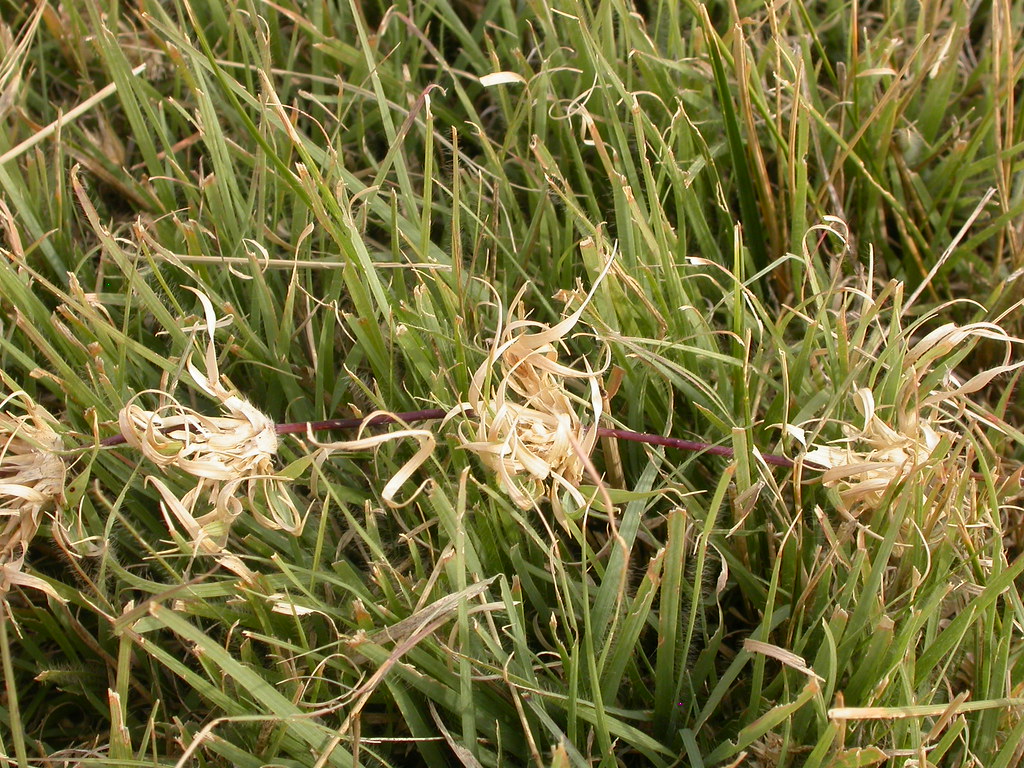
Choose this if: you are in the Plains or Mountain West where rainfall is low, want to mow rarely and water almost never, and accept a tan lawn for half the year. Skip it east of the Mississippi.
Which grass for your region
- Deep South and Gulf Coast (Florida, coastal Texas, Louisiana, south Georgia): St. Augustine for any lawn with trees; bermuda for full-sun, high-traffic lawns; zoysia for a finer look and less fertiliser. Centipede and bahia are the low-input options on poor sandy soil, and an existing bahia lawn usually just needs feeding and mowing, as in how to make bahia grass thicker. Fescue is not an option.
- Transition zone (Virginia, Carolina piedmont, Tennessee, Arkansas, Kentucky, Missouri, Kansas, Oklahoma, north Texas): the only region where the choice is genuinely open. Zoysia or a cold-hardy bermuda (‘Riviera’, ‘Yukon’, ‘Latitude 36’ types) gives a dense summer lawn that is brown for four or five months; tall fescue gives a green winter lawn that struggles in July and August. Arkansas puts the St. Augustine limit at about Little Rock.
- North (Midwest, Northeast, Canada): tall fescue, Kentucky bluegrass, perennial ryegrass or blends. Warm-season grasses are dormant too long to be worth it. Buffalo grass works in the drier western Dakotas and Nebraska.
- Southwest and arid West: buffalo grass or blue grama where water is the constraint and you accept dormancy; bermuda where you irrigate and want a green summer lawn (the Phoenix and Las Vegas standard, often overseeded with ryegrass for winter); tall fescue in irrigated Front Range and northern Utah lawns.
- Pacific Northwest, UK, Ireland, New Zealand: none of the five. Oregon State University Extension recommends 70 to 80 percent perennial ryegrass with 20 to 30 percent fine fescue for sunny western-Oregon lawns, seeded at 5 to 8 lb per 1,000 sq ft from mid-August to mid-September. The RHS lists the same species for the UK: ryegrass with red fescues and browntop for a family lawn, Chewings and red fescue for a fine lawn, hard fescue and browntop for shade. Warm-season grasses there would be brown from October to May.
Which grass for your situation
| Situation | Warm climate pick | Cool or transition pick | Why |
|---|---|---|---|
| Shade (4 to 6 hours of sun) | St. Augustine, then shade-rated zoysia | Tall fescue, or a fine fescue mix under 4 hours | Bermuda and buffalo fail below about 6 hours; nothing thrives below 4 |
| Dogs and children | Bermuda | Tall fescue with bluegrass or ryegrass to help it recover | Bermuda is the only grass rated excellent for both wear and recovery |
| Lowest maintenance | Zoysia (once established), centipede in the Southeast | Buffalo grass in dry regions; fine fescues in the North | 1 to 2 lb N per year and slow growth mean fewer mowings |
| Coastal or salty irrigation | St. Augustine, seashore paspalum, zoysia, bermuda | Tall fescue is rated good | Buffalo grass and centipede are the two to avoid on salty sites |
| Cheapest to start | Common bermuda from seed | Tall fescue from seed | Sod costs many times more than seed; St. Augustine and most zoysia are sod only |
| Green in winter | Overseed bermuda with ryegrass | Tall fescue | All warm-season grasses go tan after frost |
The 4-hour floor comes from NC State Extension, which treats anything under 4 hours of direct sun as too shady for satisfactory turf of any species. Before committing, confirm what is already growing. Many lawns are a mix, and identifying the patches with our guide to different grass types in a lawn tells you what has already proved it can survive on your site.
Common mistakes
- Tall fescue in Houston, New Orleans or Orlando. It looks wonderful from October to May and dies in July. Clemson and Arkansas both exclude it from their hot coastal zones.
- Buying “St. Augustine seed”. There is none. Texas A&M and UF/IFAS both state the species is established only by sod, plugs or sprigs; a packet labelled St. Augustine is a different grass.
- Bermuda under trees. It thins every year until soil shows. Switch that section to St. Augustine or shade-rated zoysia in the South, fescue in the transition zone, or mulch.
- Judging zoysia in its first summer. Plugs take two seasons and sod a season to root. Patchy zoysia at month four is normal.
- Feeding zoysia or buffalo grass like bermuda. Both build thatch or lose density above about 2 lb N per year.
- Buffalo grass in the humid East. Weeds outgrow it; Arkansas does not recommend it at all.
- Mowing St. Augustine short. Standard cultivars want 3 to 4 inches; scalping invites chinch bugs and gray leaf spot.
How long until you have a lawn
Tall fescue sown in late summer shows green in about a week and takes its first mowing at three weeks; it is a usable lawn by spring. Seeded bermuda planted in late spring covers in one season. Plugged buffalo grass closes in 8 to 12 weeks with weed control; plugged zoysia often needs a second season. Sod of any species is instant to look at but should not take traffic until you cannot lift a corner, usually two to three weeks in the growing season.
Sources
- Clemson Cooperative Extension – Turfgrasses for the Carolinas
- NC State Extension – Carolina Lawns: A Guide to Maintaining Quality Turf in the Landscape
- NC State Extension – Selecting and Managing Lawn Grasses for Shade
- University of Arkansas Extension – Choosing a Grass for Arkansas Lawns (FSA2112)
- UF/IFAS Extension – Selecting a Turfgrass for Florida Lawns
- UF/IFAS Extension – St. Augustinegrass for Florida Lawns
- Texas A&M AgriLife Extension – St. Augustinegrass Lawn Management (EHT-144)
- Colorado State University Extension – Buffalograss Lawns (CMG GardenNotes 565)
- University of Missouri Extension – Establishment and Care of Buffalograss Lawns
- Oregon State University Extension – Practical Lawn Establishment and Renovation (EC 1550)
- Royal Horticultural Society – Starting a Lawn from Seed